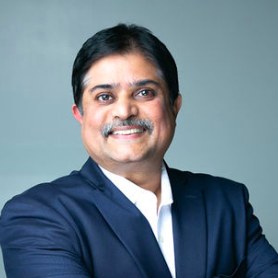
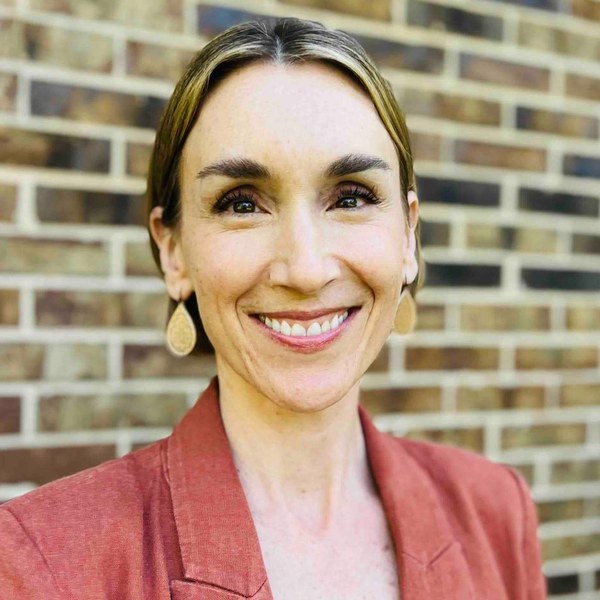
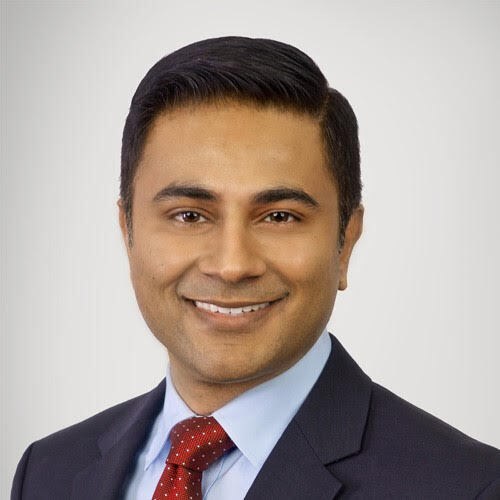
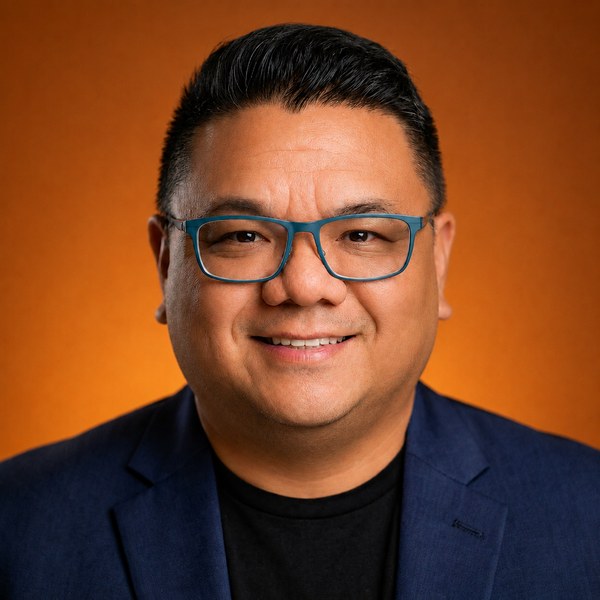
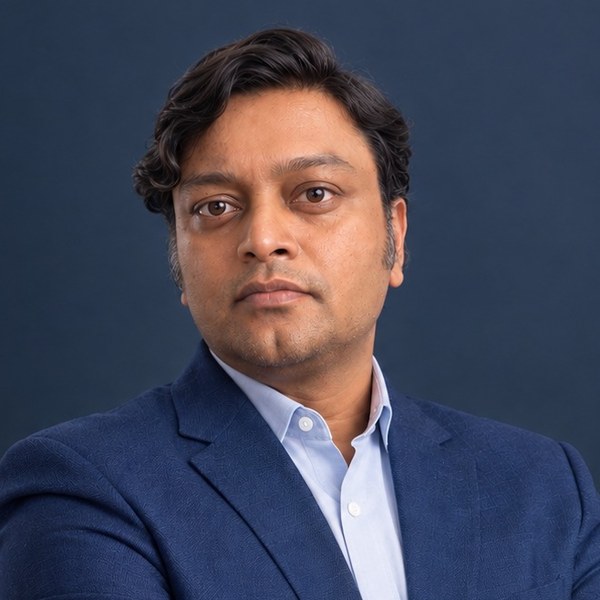
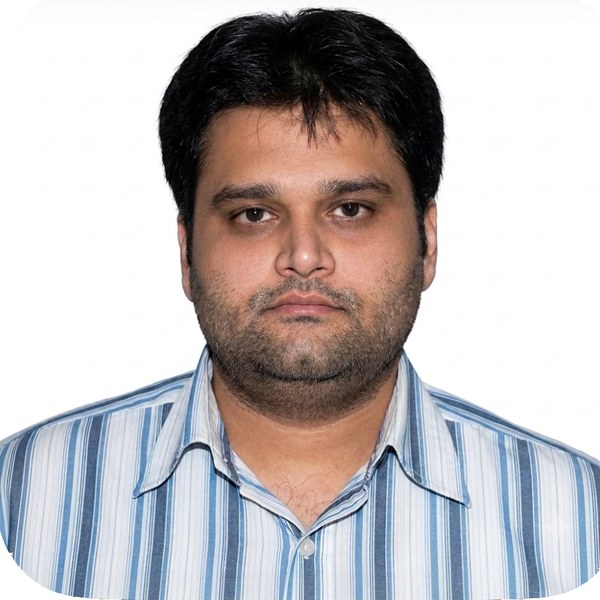
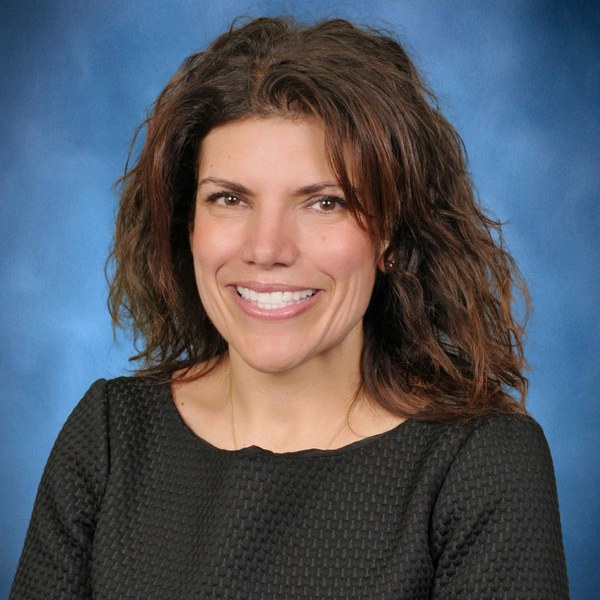
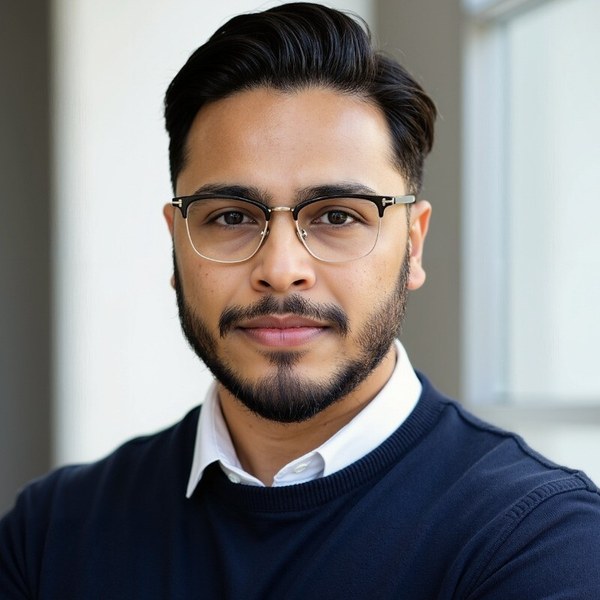
An executive asks what the company got back for its AI investment. The person accountable for adoption has activity metrics, a working demo and a good story, and no way to prove any of it. Pad had watched that meeting from the diligence side of hundreds of technology transactions. Amit had watched it inside global banks. Gary had watched it as the person being asked. Michelle had watched it in the businesses she coached.
They met in 2026 in the University of Chicago Booth Chief AI Officer program, along with Nancy Schieber. Chief AI Officer is the fastest growing seat in the C-suite. IBM's 2026 CEO Study found 76 percent of surveyed organisations had one, up from 26 percent a year earlier. The room was full of people about to hold it or already doing the job without the title. What became clear there was that the job had no instrument. Technology was moving faster than anyone's ability to govern it, and the standard answer was another framework slide.
So the group started writing a playbook instead. A method for driving enablement and adoption across an organisation. The method needed somewhere to live, so they built one. Software to oversee AI projects and initiatives, track how far each department has actually moved, and hold spend and return against the organisation's stated north star.
Nancy stepped back from the day to day for other commitments and stayed in touch. Anil Kumar Bellamkonda and Sai Vedantham joined to build it, neither of them from the program. Aakash Handa, also in the Booth cohort, joined later still.